Best Cable Wire Options for Global Buyers Seeking Quality?
In the ever-evolving world of electrical connectivity, the demand for high-quality cable wire is paramount. According to the International Cable & Wire Industry Report, the global market is projected to reach $233 billion by 2026. Buyers now seek options that not only deliver performance but also comply with stringent safety standards. This trend reflects a growing awareness of product reliability and efficiency among consumers.
Cable wire products vary widely in terms of material and application. Copper wires dominate due to their excellent conductivity, while alternative materials like aluminum are gaining ground for their lightweight properties and cost-effectiveness. However, not all products meet the necessary regulations, raising concerns about quality and safety. It is crucial for buyers to critically evaluate suppliers and their certifications.
Reliability is at the core of any quality cable wire purchase. A supplier's reputation can often be a deciding factor. Unfortunately, the presence of low-cost imitations can muddy the waters. Hence, informed decision-making based on accurate data and trusted sources is essential for securing long-lasting, effective solutions in cable wire procurement.

Best Cable Wire Options for Global Buyers Seeking Quality
When selecting cable wire options, global buyers prioritize quality and reliability. Recent industry reports show that the global wire and cable market is expected to reach USD 300 billion by 2026, reflecting a growing demand. Buyers are often overwhelmed by choices. The decision should factor in the materials used, safety certifications, and environmental impact.
Quality cable wires are typically made from copper or aluminum. Copper offers superior conductivity but comes at a higher price. Aluminum is lighter and cost-effective but less efficient. According to a report by Grand View Research, the demand for copper cables is projected to grow at a CAGR of 4.3% from 2021 to 2028. This trend underscores the importance of understanding the specific needs of projects.
Buyers must also be aware of standard certifications. For instance, UL and IEC certifications ensure quality and safety. The lack of these can lead to performance issues. Data from the International Electrotechnical Commission indicates that improper wiring can account for over 80% of electrical failures. While quality options exist, the market is cluttered. Identifying the right cable wire can feel daunting, requiring thoughtful consideration and due diligence.
Types of Cable Wires: Key Features and Performance Metrics
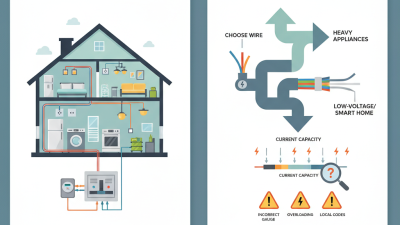
When selecting cable wires, it's essential to focus on specific features. A recent industry report notes that nearly 75% of problems in electrical systems arise from inadequate cable quality. The performance metrics of cable wires can significantly impact installations. Material composition, such as copper and aluminum, plays a crucial role in determining conductivity and durability. Copper wires, for instance, offer low resistance while maintaining flexibility, making them ideal for various applications.
Another critical feature is insulation type. PVC and rubber are common insulating materials, each offering distinct advantages. PVC, for example, is cost-effective and resistant to moisture. However, it may not perform as well in extreme temperatures compared to rubber. According to data, cables with rubber insulation can maintain integrity in temperatures as low as -40°C, making them suitable for challenging environments.
Voltage rating is another key metric. Cables with higher voltage ratings can handle greater electrical loads. However, understanding the required voltage rating for specific applications remains a common oversight. Overlooking this can lead to overheating and failure. While many source high-quality cables, recognizing these performance metrics and features is vital for ensuring reliability and safety.
Market Trends: Growing Demand for High-Quality Cable Wires in 2023
The demand for high-quality cable wires is surging in 2023, driven by advancements in technology and increased safety standards. According to a recent market analysis by ResearchAndMarkets, the global cable wire market is expected to reach $250 billion by 2025, growing at a CAGR of 5.2%. This highlights a clear trend towards seeking wires that are not only efficient but also durable and reliable.
Quality assurance is becoming increasingly important. Many industries, from construction to telecommunications, are prioritizing cables that meet stringent international standards. A report from MarketsandMarkets reveals that the demand for flame-retardant and environmentally friendly cable wires is on the rise. Yet, some buyers express concerns over the lack of transparency in quality assessments. It raises questions about how to effectively evaluate and verify wire quality before purchase.
Moreover, the industry's shift towards sustainability presents challenges. Manufacturers are pressed to innovate while reducing environmental impact. Despite the growing supply of eco-friendly options, some products still fall short of expectations in performance. As buyers navigate these choices, they require accurate information to make informed decisions. The market landscape continues to evolve, and staying updated is essential for all stakeholders involved.
Cost Analysis: Comparing Quality vs. Price in Cable Wire Purchases
When considering cable wire options, the balance between quality and price becomes crucial. High-quality cables often come with a higher upfront cost, but they may save you money in the long run due to durability. Cheaper wires might seem appealing, yet they can lead to frequent replacements or safety hazards. This can result in added costs, both financially and in terms of time and effort.
Analyzing various options requires a keen eye. Look for specifications like gauge, insulation material, and resistance to environmental factors. Often, low-quality wires show flaws, such as poor conductivity or quick wear. On the flip side, premium wires typically offer better performance, but the price gap may not always reflect significant quality differences. As buyers, it's essential to weigh these aspects carefully.
Many consumers make impulsive purchases based solely on price. However, they might experience regret later. Investing in a well-reviewed cable can enhance reliability. Seek recommendations and credible reviews to guide your choices. Amidst the diverse market, one must reflect on personal needs versus budget constraints. This self-assessment is vital for making informed decisions.
Best Cable Wire Options for Global Buyers Seeking Quality? - Cost Analysis: Comparing Quality vs. Price in Cable Wire Purchases
| Wire Type |
Material |
Gauge |
Price per Meter (USD) |
Quality Rating (1-5) |
Application |
| Copper Wire |
Copper |
16 |
1.20 |
5 |
Electrical Wiring |
| Aluminum Wire |
Aluminum |
12 |
0.80 |
4 |
Power Distribution |
| Fiber Optic Cable |
Glass |
N/A |
3.50 |
5 |
Data Transmission |
| Coaxial Cable |
Copper/Aluminum |
RG6 |
1.50 |
4 |
Television/Internet |
| Control Cable |
Copper |
18 |
2.00 |
4 |
Automation Systems |
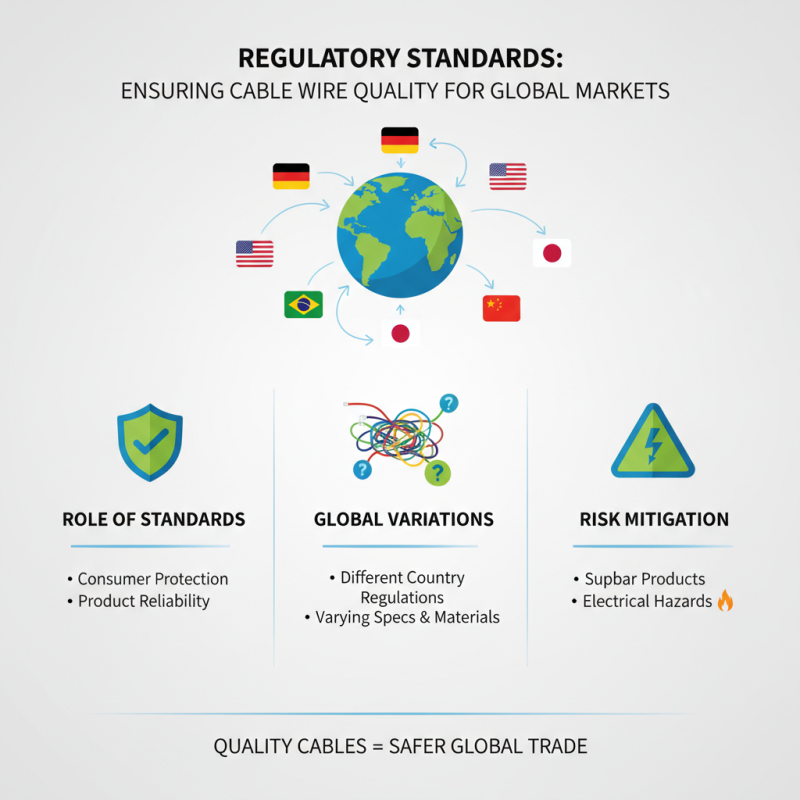
Regulatory Standards: Ensuring Cable Wire Quality for Global Markets
Regulatory standards play a crucial role in ensuring cable wire quality for global markets. Many countries have different regulations regarding cable specifications. These standards help protect consumers from subpar products. For example, certain materials may not meet safety requirements. This can lead to electrical malfunctions or even hazards.
Quality assurance processes are vital. Manufacturers often need to provide certifications to prove compliance. However, not every certification is equal. Some may lack strict oversight, leading to concerns about authenticity. When purchasing cable wires, buyers must do their research. Understanding local standards is important for ensuring safety and efficiency.
Choosing cable wires that meet high regulatory standards can be challenging. With varying requirements worldwide, it’s easy to overlook details. This can lead to purchasing decisions based on incomplete information. Buyers should consider factors like material quality and environmental impact. Sometimes, a lower price may entice buyers, but true quality prevails in the long run.
Conclusion
The article "Best Cable Wire Options for Global Buyers Seeking Quality" explores the essential aspects of selecting high-quality cable wires in today’s market. It begins by detailing the various types of cable wires available, highlighting their key features and performance metrics that are crucial for buyers. As demand for premium cable wires rises in 2023, the article discusses significant market trends influencing this growth.
Additionally, the cost analysis section provides insights into the balance between quality and price, aiding buyers in making informed purchasing decisions. It also emphasizes the importance of adhering to regulatory standards to ensure the quality of cable wires across global markets. Finally, the article identifies leading manufacturers in the industry who are driving innovation and setting benchmarks for quality in cable wire production.



 +86 13777722188
 WHATSAPP
 PHONE
PHONE E-MAIL