2026 Best Insulated Cable Options for Optimal Performance and Safety?
In the quest for reliable electrical systems, insulated cable plays a crucial role in maintaining safety and performance. Insulated cables protect against short circuits and prevent electrical shocks. However, not all insulated cables are created equal. Choosing the right type impacts efficiency.
In 2026, the market offers various options for insulated cables. Each type brings unique strengths and potential drawbacks. Some cables may resist heat better, while others excel in flexibility. Understanding these differences is essential for optimal use.
While selecting insulated cables, one must consider application needs. What works for one project might not suit another. It's vital to examine the environment and electrical load. Reflecting on these factors ensures you make an informed decision.
Best Insulated Cable Types for Maximum Performance and Safety
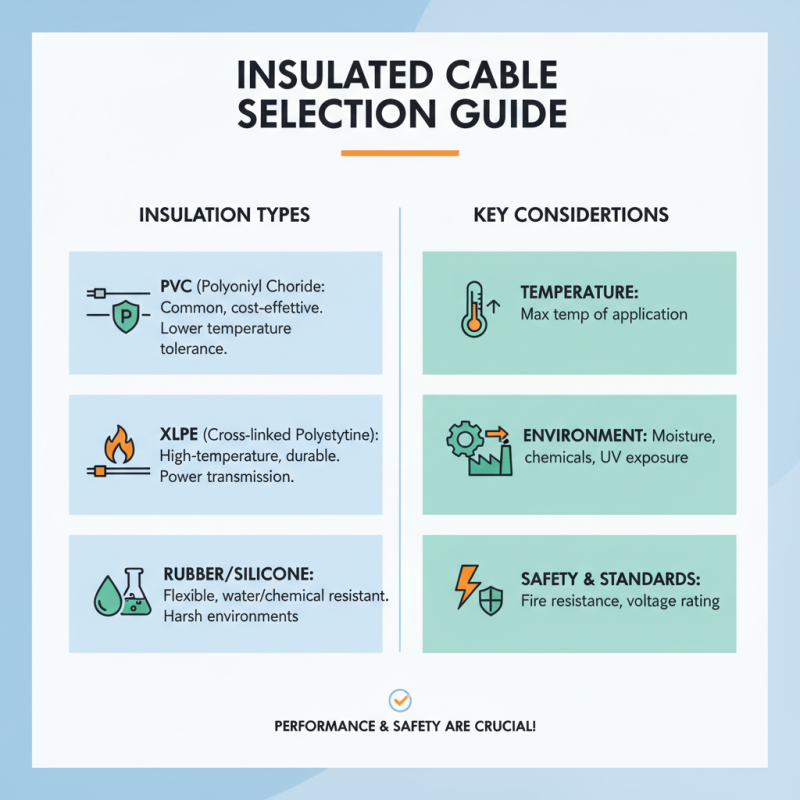
Choosing the right insulated cable is crucial for both performance and safety. Various types of insulated cables serve different purposes. For example, PVC insulation is common and cost-effective. However, it may not always handle high temperatures well. Consider the environment when choosing the insulation type.
Tips: Always check the temperature rating. Ensure it matches your project needs.
Another option is XLPE insulated cables. They offer better heat resistance and flexibility. This makes them suitable for tougher conditions. However, they can be pricier. Weigh the costs against the benefits before making a decision.
Tips: Analyze your specific requirements. Sometimes, spending a little more now can save issues later.
Don’t forget to evaluate the cable's voltage rating as well. Using the wrong voltage can lead to serious hazards. Look for cables certified for safety. This is essential for long-term success and reliability.
Key Properties to Consider in Insulated Cables
When choosing insulated cables, several key properties determine their performance and safety. The insulation material plays a vital role. Common options include PVC, rubber, and cross-linked polyethylene. Each has strengths and weaknesses. PVC is cost-effective but can deteriorate under extreme conditions. Meanwhile, rubber offers flexibility but may not withstand all environmental factors.
Another important factor is voltage rating. Cables must be rated appropriately to handle the electrical load. According to industry standards, using cables rated for higher voltage than required can lead to overheating and failure. This could result in hazardous conditions.
Tip: Always check the temperature rating of cables. High temperatures can degrade insulation properties.
Moreover, flexibility and mechanical properties are essential. Cables used in dynamic applications require more elasticity. Rigid cables may crack over time, leading to safety risks. It's crucial to test cables in the specific environments they will be used in.
Tip: Consider the installation environment. Wet or high-temperature conditions can impact cable life.
In summary, understanding these properties ensures you select the best insulated cable for both optimal performance and safety. Always conduct a thorough assessment before making your choice.
2026 Best Insulated Cable Options for Optimal Performance and Safety
| Cable Type |
Temperature Rating (°C) |
Voltage Rating (V) |
Insulation Material |
Conductor Material |
Flexibility Rating |
| Type N |
90 |
600 |
PVC |
Copper |
Moderate |
| Type THHN |
90 |
600 |
Nylon |
Copper |
High |
| Type XHHW |
90 |
600 |
XLPE |
Aluminum |
Flexible |
| Type RHH/RHW |
90 |
600 |
EPR |
Copper |
Moderate |
| Type LSOH |
70 |
450 |
Low Smoke PVC |
Copper |
High |
Comparative Analysis of Leading Insulated Cable Brands
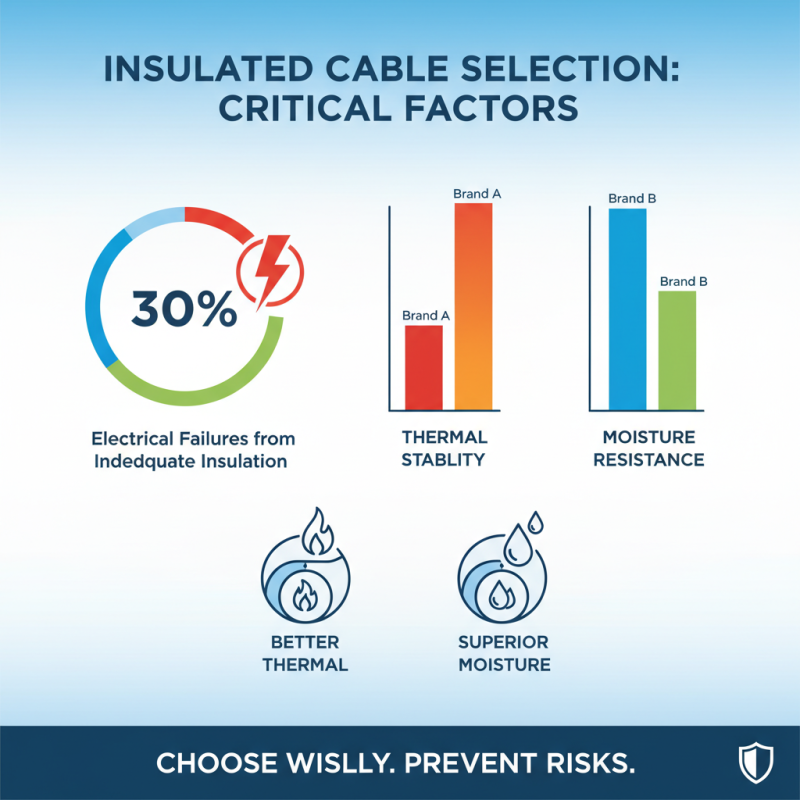
In the rapidly evolving electrical landscape, choosing the right insulated cable is vital. A recent industry report highlights that approximately 30% of electrical failures stem from inadequate insulation. The comparative analysis of leading brands reveals significant variations in performance metrics. For instance, some cables demonstrate better thermal stability, while others excel in moisture resistance.
Testing data shows that cables designed for high-temperature environments can sustain performance at up to 90 degrees Celsius. However, some brands struggle to maintain integrity under such conditions, raising concerns about safety. Analysts note that environmental factors play a critical role in cable longevity. Always consider the installation environment when choosing insulated cables.
Furthermore, insulation thickness can impact both safety and performance. Thick insulation improves resistance but can make cables cumbersome. Thin options are more flexible but may compromise durability. As the industry continues to innovate, understanding these trade-offs is crucial for optimal performance. There’s no perfect solution; continual assessment of your specific needs is essential.
Installation Best Practices for Insulated Cables
Insulated cables play a vital role in electrical installations. Proper installation practices ensure both safety and performance. For example, the National Electrical Code emphasizes maintaining proper spacing between cables. This helps prevent overheating and potential electrical hazards.
Choosing the right insulation type is crucial. Polyvinyl chloride (PVC) and cross-linked polyethylene (XLPE) are popular choices, offering robust protection and durability. Data from industry reports indicate that correctly installed insulated cables can reduce energy losses by up to 30%. Misalignment of the cables, however, can lead to insulation failure.
Installation should include careful routing and securing of cables. Loose cables can lead to mechanical damage over time. It's essential to also account for environmental factors, like temperature fluctuations. Not considering these can compromise cable integrity. Regular inspections and maintenance are necessary, yet many overlook this step.
2026 Best Insulated Cable Options for Optimal Performance and Safety
This chart illustrates the electrical insulation resistance of various types of insulated cables commonly used in 2026. Each cable type shows different resistance levels, highlighting their performance and safety characteristics for optimal applications.
Maintenance Tips for Longevity and Safety in Insulated Cables
Insulated cables are vital for safety and performance in various applications. To ensure their longevity, proper maintenance is essential. Regular inspections can help identify wear and tear. Look for signs of damage like frays or cracks. Stay alert for discoloration, as it may indicate overheating. Keep an eye on these details to promote safety.
Tips for maintaining your insulated cables include cleaning them regularly. Use a damp cloth to wipe away dust and debris. Avoid using harsh chemicals, as they can damage the insulation. Store cables properly; avoid tight bends or kinks. This simple practice can extend their lifespan significantly.
Another important aspect is to check connections frequently. Loose connections can cause overheating and damage. Ensure all fittings are secure. Consider labeling cables to keep track of their conditions. This creates awareness and helps prevent neglect. Always remember that proactive care is better than reactive repairs.



 +86 13777722188
 WHATSAPP
 PHONE
PHONE E-MAIL