How to Choose the Right PVC Aluminum Cable for Your Electrical Needs?
Choosing the right PVC Aluminum Cable can significantly impact your electrical system's efficiency and safety. These cables are popular for their lightweight and durable qualities. They are often used in various applications, from residential wiring to industrial setups.
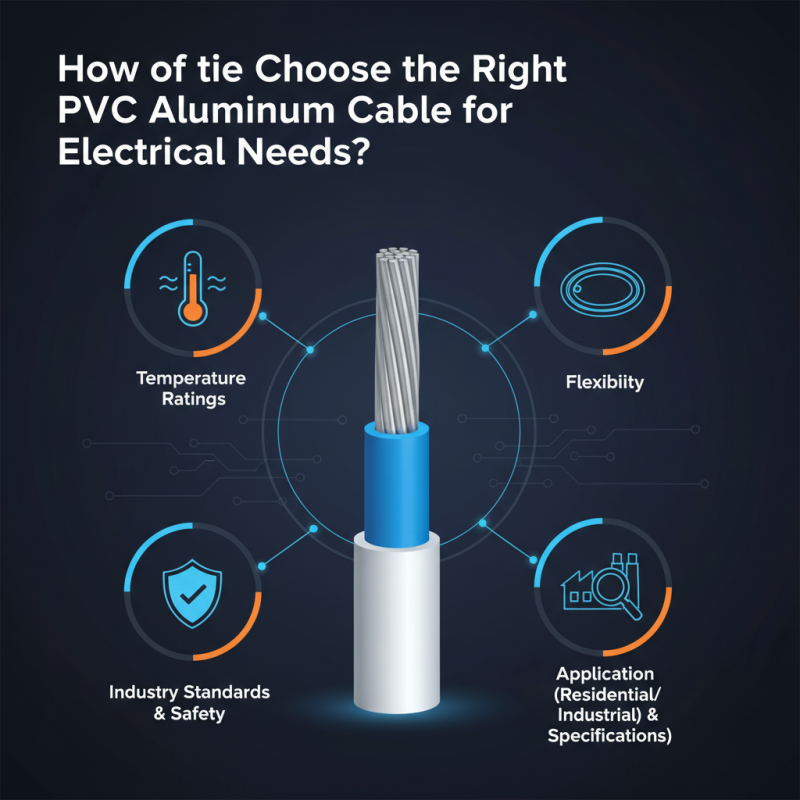
When considering a PVC Aluminum Cable, examine its specifications carefully. Look for factors such as insulation type, temperature ratings, and flexibility. Each of these elements affects performance and suitability for your specific needs.
Not all PVC Aluminum Cables are created equal. Some may not meet industry standards, which could lead to safety concerns. Take the time to review reliable sources and expert opinions before making a decision. Your choice should be guided by quality, not just price alone. This will ensure your electrical systems operate efficiently while minimizing the risk of failure.
Factors to Consider When Selecting PVC Aluminum Cables
When choosing PVC aluminum cables, various factors must be considered to ensure optimal performance and safety. One key factor is the cable's ampacity. According to the National Electrical Code (NEC), selecting a cable with adequate current-carrying capacity is crucial. Underestimating the required ampacity can lead to overheating and potential hazards.
Another important consideration is the environment where the cables will be used. PVC aluminum cables exhibit varying degrees of resistance to moisture and chemicals. For example, cables rated for outdoor use typically have a higher resistance to environmental factors. A report by the International Electrotechnical Commission (IEC) indicates that inadequate environmental considerations can reduce cable lifespan significantly.
Installation methods also play a vital role. Cable routing, bending radius, and termination methods must align with manufacturer guidelines. Research shows that improper installation can reduce the efficacy of PVC aluminum cables. Furthermore, it may violate safety standards. Evaluating these factors can prevent costly mistakes and ensure reliable electrical performance.
Understanding the Different Types of PVC Aluminum Cables
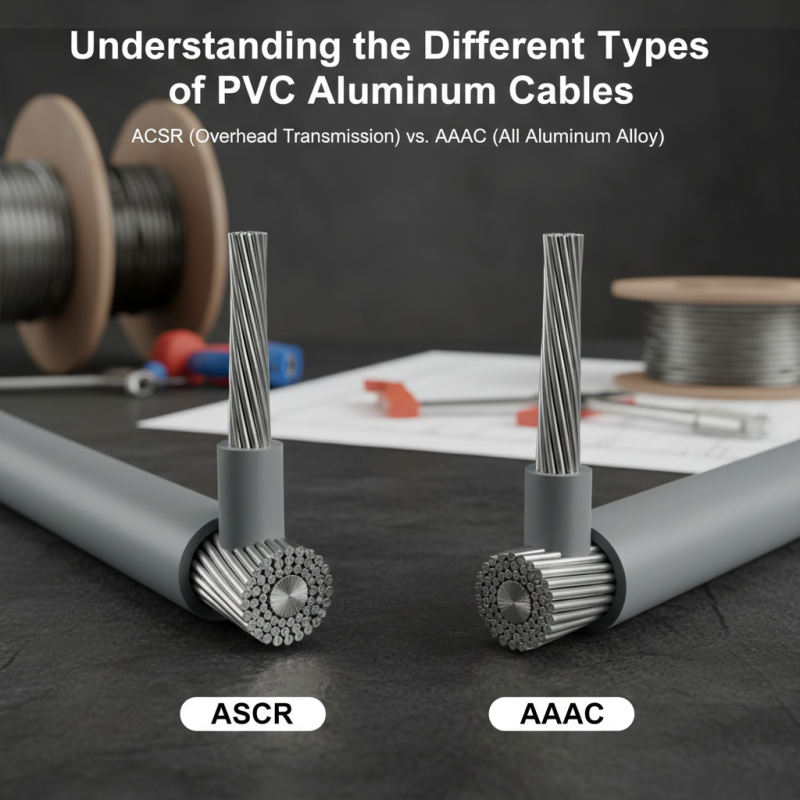
Understanding the different types of PVC aluminum cables is crucial for any electrical application. PVC aluminum cables come in various classifications, each suitable for specific tasks. The most common types are the ACSR (Aluminum Conductor Steel Reinforced) and AAAC (All Aluminum Alloy Conductor). ACSR is often favored for overhead transmission due to its strength and lightweight properties. It’s important to choose the right type based on the installation environment.
According to industry reports, the global demand for aluminum cables is expected to grow significantly, reaching USD 200 billion by 2027. This rise is driven by the expanding renewable energy sector. In contrast, improper cable selection can lead to energy losses. Cables with insufficient insulation can increase resistance, leading to overheating. This poses risks not only to the efficiency but also to the safety of the electrical systems.
Consider also the environmental factors. Some PVC aluminum cables are designed for outdoor use, resistant to UV rays and moisture. However, this doesn't eliminate potential vulnerabilities. An overlooked detail can turn into a significant issue in the long term. A thorough understanding of each type’s specific properties is vital for reliability in any electrical setup.
Assessing Voltage and Current Requirements for Your Application
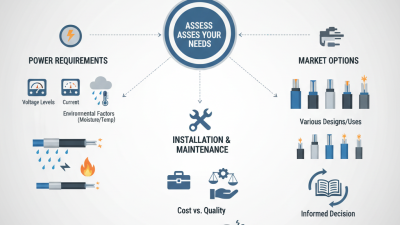
Choosing the right PVC aluminum cable starts with understanding your voltage and current requirements. Assessing these factors is key for safety and efficiency. For instance, a small appliance may need only a few amps, while heavy machinery might demand much more. It’s crucial to match your cable's capacity with the system's requirements.
Voltage ratings are vital too. Overlooking the correct voltage can lead to overheating or even failures. If your application runs at 240 volts, ensure your cable can handle this load. Many users underestimate the importance of proper insulation. Cables should be rated for the voltage they'll carry to avoid risks.
Also, think about installation conditions. Environmental factors can impact performance. Cables exposed to moisture or extreme temperatures need different specifications. Reflect on your setup. Are you in a humid area? Will the cable be in direct sunlight? Addressing these questions can prevent future issues. It's a complex choice, yet taking the time to evaluate your needs leads to better outcomes. Always double-check your choices to ensure reliability.
How to Choose the Right PVC Aluminum Cable for Your Electrical Needs?
| Application |
Voltage (V) |
Current (A) |
Recommended Cable Size (mm²) |
Insulation Type |
| Residential Wiring |
230 |
16 |
2.5 |
PVC |
| Lighting Circuit |
230 |
10 |
1.5 |
PVC |
| Industrial Machinery |
400 |
32 |
6 |
PVC |
| Power Distribution |
600 |
50 |
10 |
PVC |
| High Power Appliances |
230 |
20 |
4 |
PVC |
Evaluating Environmental and Installation Conditions for Cables
When selecting a PVC aluminum cable, consider the environment. The cable must withstand various conditions. Think about humidity, temperature, and exposure to chemicals. These factors influence the cable's lifespan and performance.
Installation factors also play a crucial role. Evaluate where the cable will be placed. Indoor and outdoor installations have different requirements. For instance, outdoor cables need extra insulation against UVA rays. In contrast, indoor cables might not need such protection.
Reflect on the installation process itself. Is the location hard to reach? Will it require bending around corners? Such considerations can affect the type of cable you choose. It’s essential to ensure that the selected cable meets all necessary specifications in your unique situation.
Comparing Costs and Performance Among PVC Aluminum Cable Options
When selecting a PVC aluminum cable, understanding costs and performance is critical. Recent reports indicate that PVC aluminum cables can vary significantly in price. For instance, budget-friendly options may range from $0.50 to $2.00 per foot, while higher quality cables can go up to $5.00 per foot. This variation impacts not only your initial investment but also long-term efficiency.
The performance of these cables also differs. Many studies reveal that better insulation in high-end cables can enhance energy efficiency by up to 15%. This translates to noticeable savings on utility bills. However, cheaper cables may not last as long, leading to higher replacement costs. Opting for a cable that strikes the right balance between price and performance is essential.
Tips: Consider temperature ratings. High-rated cables can endure extreme environments. Always evaluate installation requirements. Complexity can influence the overall performance. Assess your specific needs carefully, as the right choice can affect both safety and efficiency in the long run.
Comparison of PVC Aluminum Cable Options
This chart compares the cost and performance of various PVC aluminum cables, focusing on their price per meter and electrical conductivity (in S/m).



 +86 13777722188
 WHATSAPP
 PHONE
PHONE E-MAIL