+86 13777722188


In today's increasingly connected world, selecting the right shielded cable can significantly impact both performance and safety. According to a 2022 report by the International Electrotechnical Commission, 45% of signal interference issues stem from improper cable choices. Shielded cables play a crucial role in reducing this interference, ensuring reliable data transmission, and protecting sensitive equipment.
As industry expert Dr. Emily Carter states, “The right shielded cable can mean the difference between efficient operations and costly downtime.” Understanding the various factors involved in choosing a shielded cable is essential. Factors such as cable type, shielding materials, and environmental considerations cannot be overlooked.
Many users still underestimate the complexity of these choices and may rely on superficial information. This can lead to mismatched specifications and unexpected failures. Recognizing these pitfalls is vital for anyone looking to make an informed decision regarding shielded cables. Proper selection not only enhances performance but also contributes to long-term reliability and system integrity.
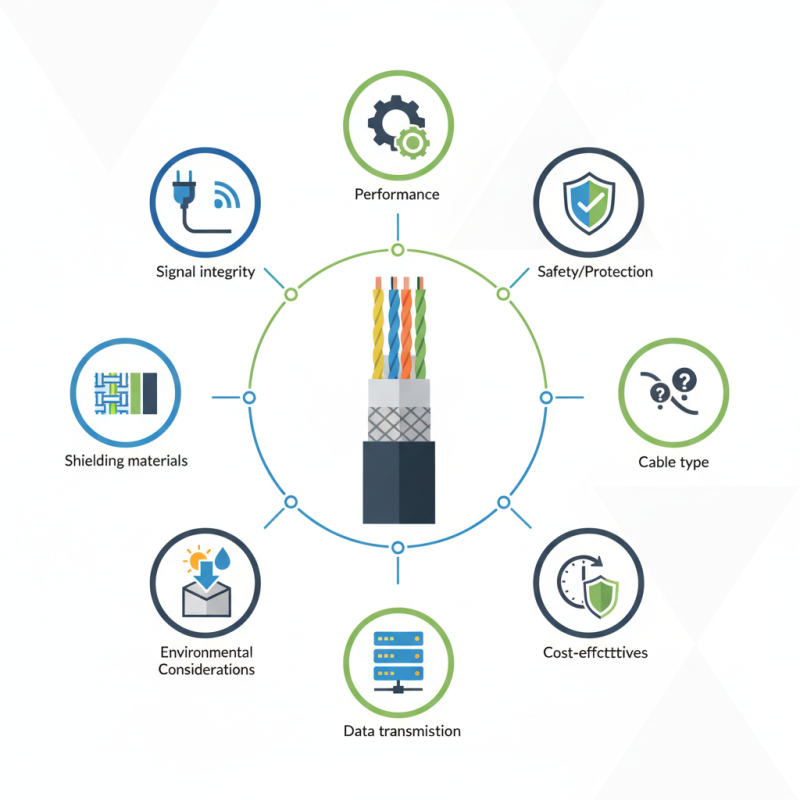
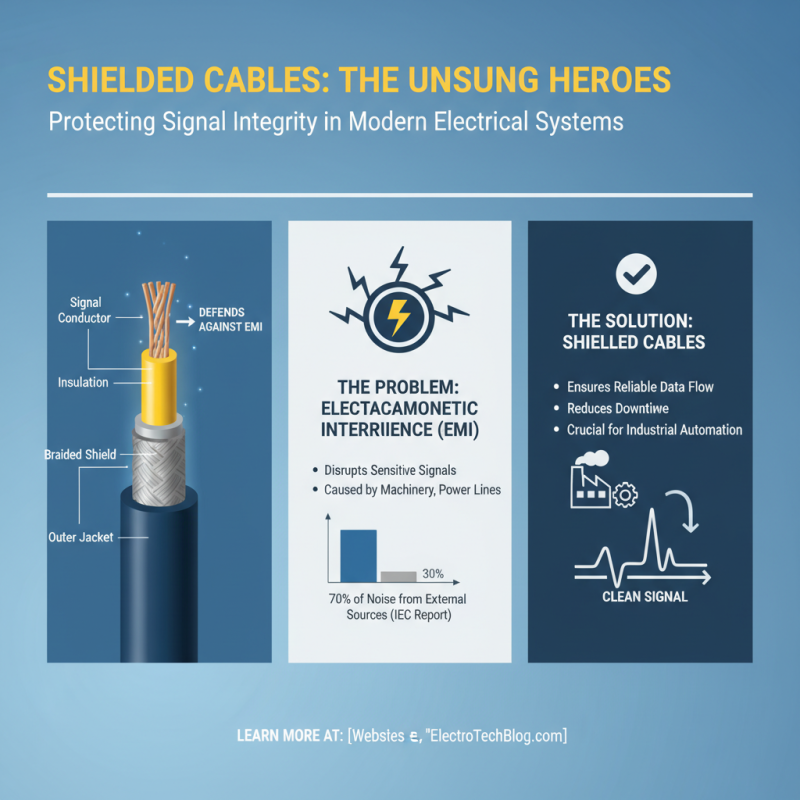
Shielded cables play a critical role in modern electrical systems. They protect sensitive signal transmission from electromagnetic interference (EMI). This is particularly important in industrial settings where heavy machinery operates. A report by the International Electrotechnical Commission (IEC) notes that over 70% of electrical noise comes from external sources. Understanding shielded cables is vital for ensuring reliable performance.
When choosing shielded cables, consider the environment in which they will be used. Certain cables are better suited for high temperatures or exposure to chemicals. Not all shielded cables offer the same level of protection. Evaluating your needs can help avoid costly mistakes. Tip: Look for cables with a proven track record in similar applications.
Also, think about installation challenges. Some shielded cables require specific connectors or tools. Knowing this in advance can save time and effort. Tip: Consult technical datasheets for compatibility details. In addition, reflect on maintenance needs. Regular checks can prevent system failures. Selecting a cable that reduces upkeep is a smart choice.
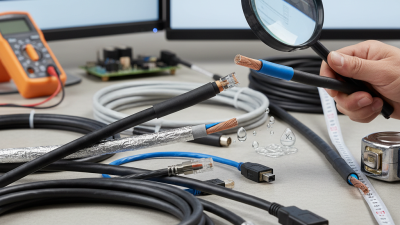
When selecting shielded cables, understanding your application needs is crucial. Different environments require varying types of shielding. For high-frequency signals, a foil shield might be ideal. However, in areas with heavy machinery, a braided shield often performs better. Analyze the electromagnetic interference (EMI) levels in your setting. This will help you determine the right type of protection.
Consider the environment where the cables will be used. Indoor applications may allow for more flexible options. Outdoor situations, however, demand greater durability. Heat, moisture, and physical wear can all impact cable performance. You might find that some cables look perfect but fail under environmental stress. The materials used in shielding also matter. Copper offers great conductivity, while aluminum is more lightweight. Each choice has its pros and cons. Reflect on your needs carefully before making a decision.
| Tip | Description | Common Applications | Shielding Type |
|---|---|---|---|
| 1. Understand the Environment | Evaluate the physical and electrical environment in which the cable will be installed for optimal performance. | Industrial, Outdoor | Foil Shielding |
| 2. Determine Cable Length | Consider the distance between devices to avoid signal degradation. | Ethernet, Serial Communication | Braided Shielding |
| 3. Choose the Right Conductor | Select conductor size and material based on current carrying requirements. | Power Systems, Data Transfer | Double Shielding |
| 4. Evaluate EMC Requirements | Electromagnetic compatibility needs must be assessed to choose appropriate shielding. | Telecommunication, Medical Equipment | Active Shielding |
| 5. Assess Flexibility Needs | Determine if the cable will need to bend frequently or remain static. | Robotics, Movable Devices | Flexible Shielding |
| 6. Look at Temperature Ratings | Consider the temperature range of the installation environment. | Automotive, Aerospace | High-Temperature Shielding |
| 7. Review Chemical Resistance | Ensure the cable is suitable for exposure to chemicals or oils. | Chemical Processing, Manufacturing | Chemical Resistant Shielding |
| 8. Analyze Frequency Range | Understand the frequency at which the shielded cable will operate for selecting the right type of shielding. | High-Frequency Applications, RF Communications | Multi-Layer Shielding |
| 9. Consider Installation Method | Choose cables that are easy to install based on the layout of your equipment. | Data Centers, Industrial Control Systems | Low Smoke Halogen Free Shielding |
| 10. Budgeting and Cost Considerations | Balance performance requirements with budget constraints while choosing cable options. | General Purpose, Commercial Use | Standard Shielding |
When evaluating shielded cables, the construction plays a crucial role. The material used can greatly impact performance. Copper and aluminum are common choices. Copper offers excellent conductivity but can be more expensive. Aluminum is lighter but less conductive. Assess your needs carefully before deciding.
Cable gauge matters too. A lower gauge number means a thicker wire. Thicker wires can carry more current but are heavier. This can complicate installation. It is essential to find the right balance. Also, think about the length of the cable. Longer cables can lead to signal loss. Always calculate the ideal length for your application.
Choosing the right shielded cable is crucial for optimal performance. Environmental factors play a significant role. Humidity levels can severely impact cable lifespan. High humidity can lead to moisture penetration, causing shorts or signal degradation. It is essential to select cables with proper insulation for humid conditions.
Temperature fluctuations also matter. Extreme heat can cause insulation to break down. On the other hand, cold temperatures might make the cable more brittle. Understanding the temperature range in your location helps you choose the right materials. Additionally, consider using cables rated for wider temperature ranges.
Electromagnetic interference (EMI) is another vital consideration. Sources of EMI can include motors, transformers, and radios. Shielded cables are designed to minimize interference. Choosing the right shielding material can make a difference. Copper is a popular choice, but aluminum offers a lighter option. Evaluate your surroundings to determine the best shielding for your needs. These factors can help you assess the overall suitability of the cable for your application.
When selecting shielded cables, budgeting is crucial. It's not just about saving money; it's about making smart choices. High-quality cables might cost more initially, but they often provide better performance and reliability over time. Investing a little more upfront can save you from failures later.
Think about the specific needs of your project. The environment, data transmission speed, and distance all matter. A cheap cable may fail under certain conditions. It’s tempting to cut costs, but this could lead to greater expenses in repairs or replacements down the road. Balance is key. You want a product that meets your performance standards without breaking the bank.
Consider the long-term implications of your purchase. Sometimes, it’s easy to overlook the details. Look for specifications that match your requirements. Avoid settling for the lowest price. Reflect on how much downtime from poor-quality cables might cost you. That sting in your budget can last much longer than the initial savings.