Leave Your Message

10 Essential Tips for Selecting the Right Insulated Wire for Your Projects?

When choosing insulated wire for your projects, the options can be overwhelming. Experts like Johnathan Miller, a veteran in the electrical industry, emphasize the importance of proper selection. He famously said, "The right insulated wire can make or break your project." This highlights the crucial role of insulated wire in ensuring safety and efficiency in electrical applications.

Selecting the correct insulated wire involves understanding various factors. Material type, insulation ratings, and temperature resistance all play vital roles. The wire’s insulation must match the environment and application it will face. Many overlook these details, which can lead to complications down the road.

Moreover, while cost is a consideration, quality should never be sacrificed. Cheaper options may seem appealing but often lead to failures. Common mistakes in choosing insulated wire can result in disasters. Reflect on your decisions. Ensuring you have the right information can save you time and resources.

10 Essential Tips for Selecting the Right Insulated Wire for Your Projects?

Understanding Insulated Wire Types and Their Applications

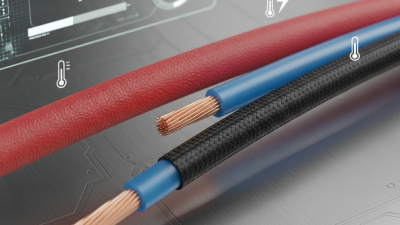
When selecting insulated wire, it's crucial to understand the different types available. There are thermoplastics and thermosets, each offering unique benefits. Thermoplastic insulation is flexible, making it easy to work with in tight spaces. Thermosetting materials, on the other hand, provide superior heat resistance. Depending on your project’s specific requirements, choosing the right type can greatly impact performance.

Wire gauge also plays a significant role in your selection process. Thicker wires can carry more current but may be less flexible. For smaller projects, lighter gauges work well. Yet, using the wrong gauge can lead to overheating or poor performance. Testing components before finalizing your choices can prevent these frustrating situations.

Moreover, consider the environment in which the wire will be used. Some insulated wires resist moisture better than others. Others can withstand harsher chemicals. Choosing the right wire can enhance durability and longevity. Reflecting on the conditions your project will face can help make a more informed decision. Every choice should align with your project's unique demands.
Key Factors in Determining Wire Gauge for Effective Performance

10 Essential Tips for Selecting the Right Insulated Wire for Your Projects?

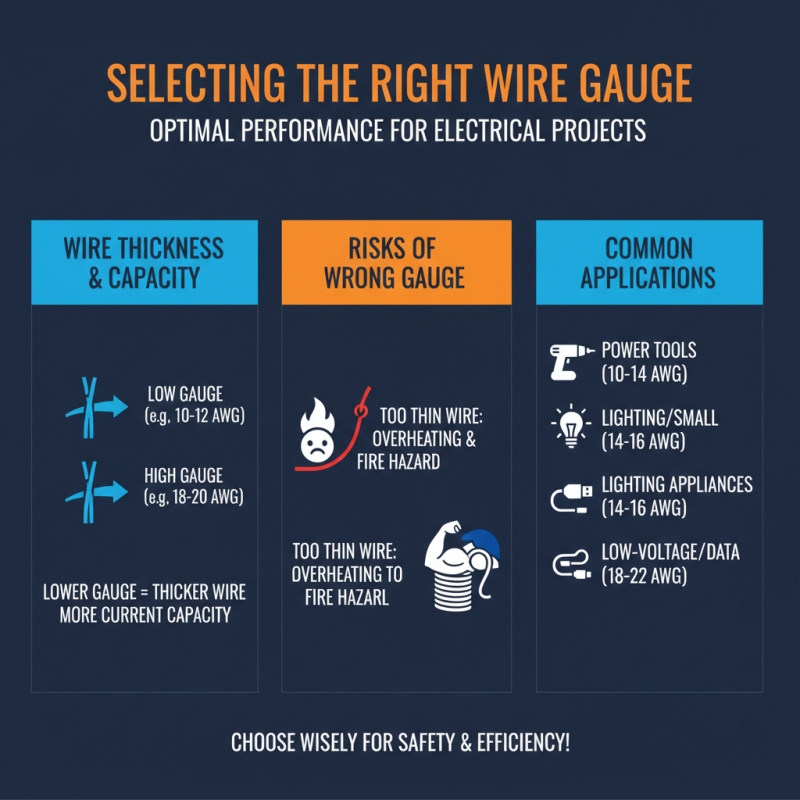
Choosing the right wire gauge is critical for performance in electrical projects. Gauge refers to the wire's thickness, affecting its current-carrying capacity. Using too thin a wire may cause overheating. On the flip side, an overly thick wire can be difficult to manage.

When determining wire gauge, consider the load it will carry. A heavier load requires a thicker wire. For example, a standard household circuit typically uses 12 or 14 gauge wire. Always check the specifications for your specific application. Other factors include length and voltage drop. Longer runs may need a thicker gauge to compensate for resistance.

Don’t skimp on insulation quality. While many projects successfully use basic insulated wire, sometimes it's not enough. Reflect on past projects. Did you ever face issues with short circuits or overheating? This experience informs better choices now. Consider consulting guidelines, or professionals if unsure. Balancing wire gauge and insulation quality is essential for effective performance.

Evaluating Insulation Materials for Temperature and Voltage Ratings

When selecting insulated wire, temperature and voltage ratings are crucial factors. Different insulation materials offer varied performance under specific conditions. For example, thermoplastic insulation retains flexibility at low temperatures but may not withstand high voltage levels well. In contrast, thermoset insulation can handle extreme temperatures, making it ideal for industrial applications. A report by the Institute of Electrical and Electronics Engineers highlights that wire failure due to insulation breakdown can lead to significant project delays.

It’s essential to consider both ambient temperature and the maximum operating temperature of insulated wire. According to a study from the National Fire Protection Association, improper insulation can cause electrical fires. Furthermore, the average voltage rating needed for your project must align with the insulation type. A wire rated for 600 volts may not be suitable if your system operates at 1000 volts. Careless choices can lead to underperformance or even hazardous situations.

Also, don’t overlook factors like environmental exposure. Some insulation materials degrade faster when exposed to chemicals or UV light. This can lead to unexpected failures. In practice, understanding your project's unique requirements is vital. Ignoring insulation ratings could result in costly mistakes. Evaluating insulation materials thoughtfully can prevent unnecessary risks and enhance your project’s success.

Temperature and Voltage Ratings of Different Insulation Materials

The Importance of Wire Certifications and Standards in Selection

10 Essential Tips for Selecting the Right Insulated Wire for Your Projects?

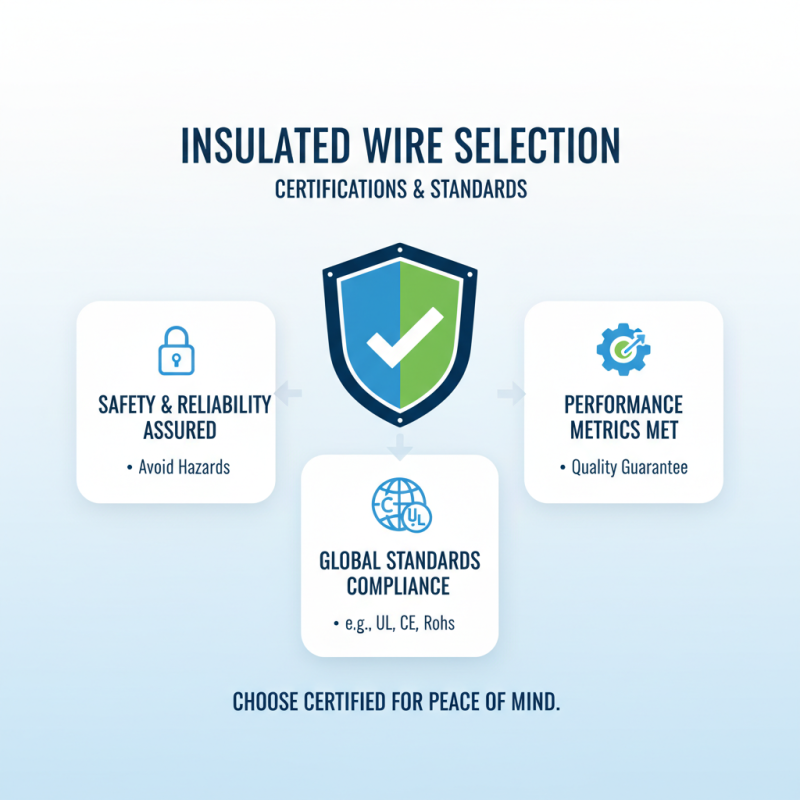
Selecting the right insulated wire is crucial for any project. One key factor to consider is wire certifications and standards. These ensure safety and reliability. A wire with proper certifications adheres to specific performance metrics. You can avoid potential hazards by choosing certified options.

When selecting wire, check for important certifications such as UL or IEC. These bodies provide guidelines that help in understanding performance and safety. Always ask yourself: Does this wire meet the required standards? This is not something to overlook. Good insulation protects against electrical hazards and enhances durability.

Additionally, consider the wire's intended application. Is it for indoor or outdoor use? Different environments may require different certifications. Beware of using wire that looks good but lacks proper accreditation. This could lead to significant issues later. It’s easy to get overwhelmed with choices, but focusing on standards can guide you toward the right selection. Remember, quality is worth the investment.

Cost Considerations and Long-term Reliability of Insulated Wires

When selecting insulated wire, cost considerations are paramount. Many projects operate on tight budgets. Low-cost wires may save money upfront but could lead to issues later. Cheaper insulation can degrade faster, impacting safety and performance. An unexpected failure can cripple a project, leading to higher costs down the road. Always evaluate if lower initial costs outweigh potential long-term expenses.

Long-term reliability is closely tied to insulation quality. High-quality insulation withstands temperature variations and moisture better. However, the upfront investment might seem daunting during planning. Many overlook the durability factor. A reliable insulated wire may last for years, reducing replacement frequency. Choosing wisely in this aspect can protect your investment. It is essential to balance initial costs with future maintenance needs. Reflecting on these factors can lead to better project outcomes.

10 Essential Tips for Selecting the Right Insulated Wire for Your Projects

Tip Number Tip Description Cost Consideration Long-term Reliability
1 Determine the voltage requirements Higher voltage ratings may require more expensive materials. Ensure insulation can handle long-term voltage levels.
2 Check environmental factors Cost increases with more durable, weather-resistant coatings. Essential for longevity in harsh conditions.
3 Select appropriate wire gauge Thicker wires are more expensive but handle higher currents. Prevents overheating and increases lifespan.
4 Understand insulation types Different materials come at varying costs. Critical for preventing breakdown over time.
5 Evaluate conductor material Copper is more expensive than aluminum but offers better conductivity. Better conductivity translates to longer-lasting performance.
6 Check for regulatory compliance Compliance may raise costs but is essential for safety. Helps avoid future legal and safety issues.
7 Consider flexibility and ease of installation Flexible wires may cost more but save labor time. Easier installation can lead to reduced wear and tear.
8 Factor in the length of wire needed Longer runs of wire increase overall project costs. Long distance can affect performance; consider this in planning.
9 Plan for future upgrades Investing now may save costs in the long run. Allows for scaling without having to replace wires.
10 Consult with professionals Expert advice may involve fees but leads to better outcomes. Ensures that purchases meet all project needs effectively.