What is Insulated Cable and How Does It Work?
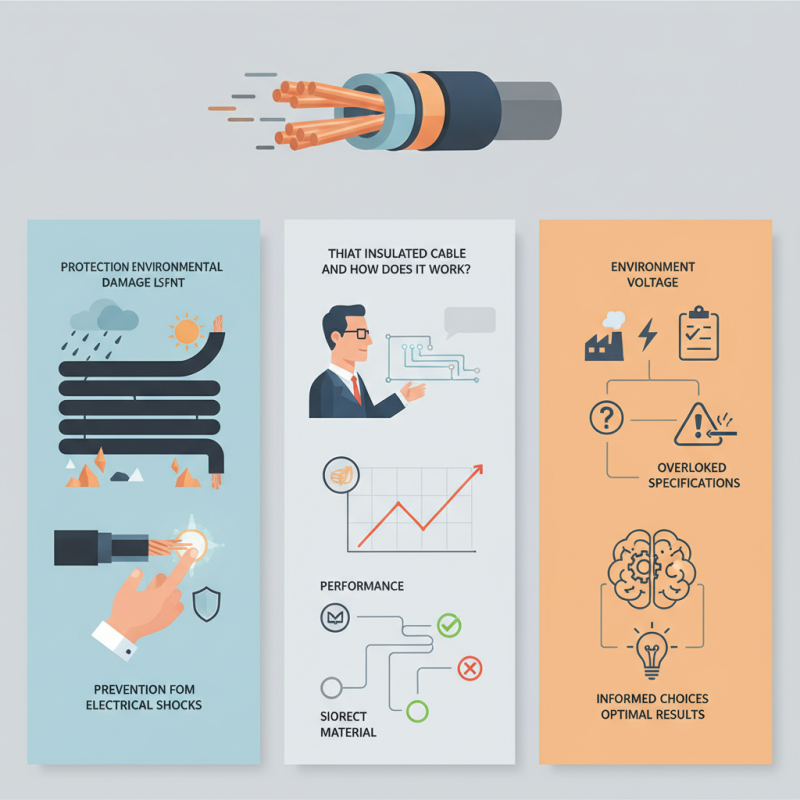
Insulated cable is a crucial component in modern electrical systems. It protects wires from environmental damage and prevents electrical shocks. Experts emphasize its importance. John Smith, a leading figure in electrical engineering, once stated, “Insulated cables offer safety and reliability in any electrical setup.” His insight reflects the industry’s view on insulation.
Insulated cables are designed to withstand extreme conditions. They ensure that electricity flows smoothly without risk. The right insulation material can enhance performance significantly. However, many users often overlook the specifications. This oversight can lead to potential hazards.
Understanding insulated cables requires expertise. Not all cables are created equal. Users must consider factors like the environment and voltage requirements. Recognition of these details is vital for achieving optimal results. It is clear: while insulated cables are essential, their effectiveness hinges on informed choices.
Definition and Purpose of Insulated Cable
Insulated cable is a vital component in electrical systems. It provides a protective layer around conductive wires, preventing unwanted contact with other surfaces. This insulation helps in reducing the risk of electrical shock. It also protects the wire from environmental factors such as moisture, heat, and physical damage.
The primary purpose of insulated cable is safety. When wires are uninsulated, they can cause short circuits or electrical fires. Insulated cables can withstand high voltages without breaking down. This is crucial in residential and industrial applications. The insulation material can be made of rubber, PVC, or other substances, each offering different levels of durability and flexibility. Each type has its specific advantages, but the choice can be overwhelming.
Understanding these details can be daunting. Sometimes, people may overlook the importance of proper cable selection. They may use inadequate insulation for high-voltage applications. This decision could lead to failures or accidents. Experience in the field highlights the need for attention to detail. Proper insulation helps ensure not only performance but also a secure electrical environment.
What is Insulated Cable and How Does It Work? - Definition and Purpose of Insulated Cable
| Property |
Description |
Purpose |
| Material |
Typically made from PVC, rubber, or polyethylene |
To provide electrical insulation and safety from shock |
| Thickness |
Varies based on voltage requirements |
To ensure adequate protection against electrical leaks |
| Flexibility |
Can range from rigid to highly flexible |
To accommodate various installation environments |
| Voltage Rating |
Designed for specific voltage levels |
To ensure safe operation within voltage limits |
| Temperature Rating |
Can withstand a range of operating temperatures |
To maintain performance under varying conditions |
Types of Insulation Materials Used in Cables
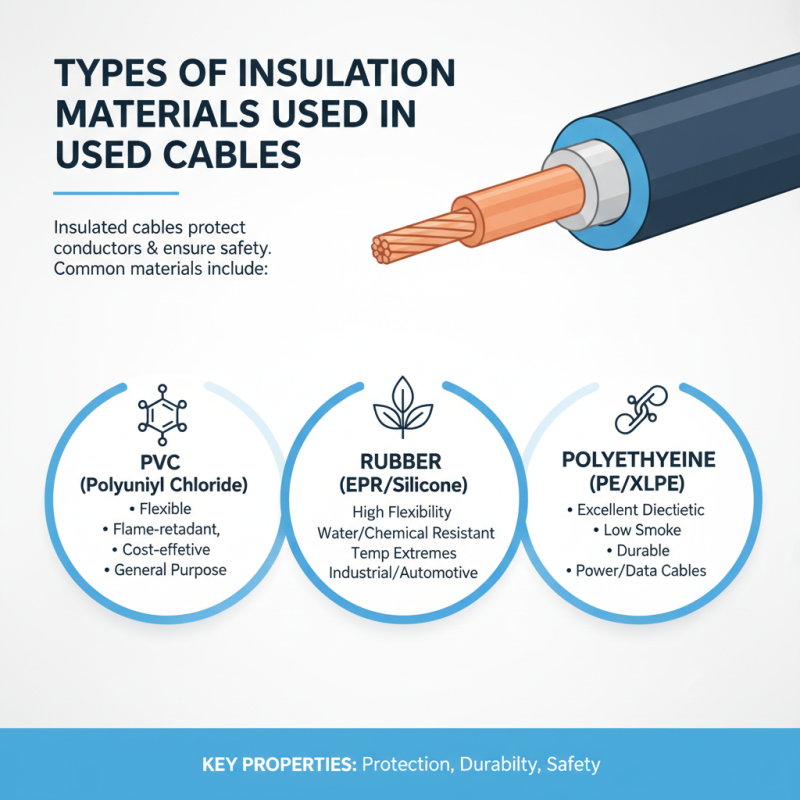
Insulated cables play a crucial role in electrical systems. They are designed to protect the conductor and ensure safety. Various insulation materials are used in these cables, each with unique properties. Among the most common materials are PVC, rubber, and polyethylene.
PVC (polyvinyl chloride) is widely used due to its cost-effectiveness and durability. It provides good resistance to moisture and chemicals. However, PVC may not perform well in extreme temperatures. Rubber insulation is flexible and can withstand harsh environments. It is often used in applications requiring high durability. Despite its advantages, rubber can degrade over time exposed to UV light.
Polyethylene is another popular choice, known for its excellent insulating properties. It offers low dielectric loss, making it ideal for high-frequency applications. On the downside, it can be less resistant to physical damage compared to PVC and rubber. It’s essential to weigh these characteristics when choosing insulation materials. Knowing the specific requirements of your application can lead to better performance and safety.
Structure and Components of Insulated Cables
Insulated cables play a crucial role in electrical systems. Their structure includes multiple layers that ensure safety and performance. The core of the cable carries electricity, while insulation protects it from external factors. This insulation is typically made from materials like PVC or rubber, which prevent electrical leakage.
The outer layer often consists of a protective sheath. This layer guards against physical damage and environmental influences. Additionally, insulated cables may contain shielding materials, which reduce electromagnetic interference. The combination of these components enables the cables to function efficiently in various conditions.
Despite their robust design, some issues can arise. For example, wear and tear can compromise insulation integrity. Age and environmental factors like moisture can also affect performance. Regular inspection and maintenance are important to identify potential problems. Addressing these issues helps maintain the reliability of insulated cables in both residential and industrial applications.
How Insulated Cables Ensure Safety and Efficiency
Insulated cables are essential in electrical systems. They ensure safety and efficiency in various applications. The main role of insulation is to prevent electric shock. It protects users from high voltage. This is especially important in homes and workplaces. Effective insulation reduces the risk of fire hazards.
Safety is paramount when dealing with electricity. Insulated cables are designed to withstand heat and moisture. This durability adds to their reliability in harsh environments. However, not all insulated cables are created equal. Some may wear down over time, losing their protective qualities. Regular inspection is necessary to maintain safety standards.
Efficiency improves with proper insulation. Insulated cables minimize energy loss during transmission. This leads to cost savings over time. However, improper installation might affect performance. Understanding the specifications of insulated cables is crucial. Not every type will suit every application, necessitating careful consideration.
This chart illustrates the ratings of various features of insulated cables, including safety, efficiency, durability, flexibility, and heat resistance. Each feature is rated on a scale of 0 to 100, highlighting the importance of these characteristics in ensuring the effectiveness and reliability of insulated cables in electrical applications.
Applications and Industries Utilizing Insulated Cables
Insulated cables play a crucial role in various applications and industries. They are designed to prevent electrical currents from escaping or interfering with other systems. This feature enhances safety and efficiency in power transmission. Industries like telecommunications rely heavily on insulated cables. They provide reliable communication while minimizing signal loss.
Moreover, the construction sector frequently utilizes insulated cables. Here, they ensure that electrical systems operate safely in buildings. These cables protect against short circuits and fire hazards. However, some installations may not follow best practices. This can increase the risk of electrical failures. Understanding proper installation methods is essential in these scenarios.
In renewable energy, insulated cables are vital for solar and wind farms. They facilitate the safe transfer of energy generated by these sources. Nonetheless, the environmental impact of their production remains a point of discussion. Industry professionals must evaluate sustainable materials for future applications. This reflection is vital for advancing technology while protecting our planet.



 +86 13777722188
 WHATSAPP
 PHONE
PHONE E-MAIL