What is Insulated Wire and How is it Used in Electrical Applications?
Insulated wire plays a crucial role in electrical applications. Its primary function is to protect conductors from environmental factors. The introduction of standardized testing for insulated wire has improved overall safety and performance. According to the International Wire and Cable Symposium, the market for insulated wire is projected to reach $45 billion by 2025, highlighting its significance in the industry.
Expert Jeremy Winters, a leading figure in wire insulation technology, states, “Insulated wire not only ensures safety but also enhances the efficiency of electrical systems.” His insights suggest that as technology advances, the demand for high-quality insulated wire will only grow. It's essential to consider the materials used in insulation, as they directly affect performance and longevity.
While advancements in insulated wire are palpable, challenges remain. Issues like environmental impact from manufacturing processes call for reflection and innovation. The ongoing development of sustainable materials could reshape the landscape of insulated wire. Ultimately, understanding the significance of insulated wire is vital for engineers and manufacturers alike.
What is Insulated Wire and Its Importance in Electrical Applications?
Insulated wire is crucial in the electrical industry, preventing short circuits and electrical shocks. Its significance lies in its ability to protect conductors from environmental factors and avoid accidental contact. In commercial electrical applications, over 50% of wiring failures come from inadequate insulation. This statistic highlights the essential role of insulated wire in maintaining safety and reliability.
The insulation material, often PVC or rubber, enhances durability and flexibility. It protects against moisture, heat, and chemicals. Reports indicate that improper insulation can lead to energy losses, affecting efficiency. Additionally, a study published in the "Journal of Electrical Engineering" found that using insulated wire can improve system performance by up to 25%. These improvements show how critical insulated wire is for optimizing electrical systems.
Investing in high-quality insulated wire impacts both safety and performance. However, not all insulation is created equally. Some types may degrade faster under specific conditions, potentially leading to failures. Users must carefully evaluate insulation types based on their applications. An informed choice can enhance system longevity and safety, showing the importance of understanding insulated wire's role in electrical applications.
Types of Insulated Wires and Their Specific Applications in Industry
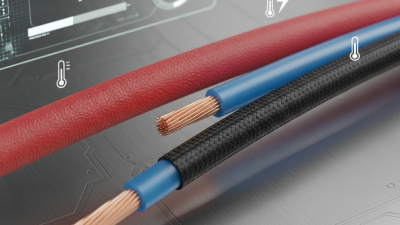
Insulated wires play a crucial role in various industries. They protect against electrical shocks and prevent short circuits. Common types include
PVC,
XLPE, and
rubber insulated wires. Each type serves unique purposes based on material properties and environmental conditions.
For instance, PVC insulated wires are widely used in residential applications due to their cost-effectiveness and durability.
According to a report by Technavio, the demand for PVC insulated wires is expected to grow by
4.5% annually in the electrical sector until 2025.
Rubber insulated wires, however, are favored in industrial settings, especially in high-temperature environments. Their flexibility and resistance to heat make them ideal for applications like welding.
XLPE wires, known for their thermal resistance, are particularly vital in power generation and distribution systems. They can withstand temperatures up to
90°C. Despite these advantages, challenges remain in sourcing materials sustainably.
Balancing performance and environmental concerns requires continuous innovation. As industries evolve, the choice of insulated wire must reflect both
efficiency and
ecological responsibility.
Key Materials Used in Insulated Wire Manufacturing and Their Properties
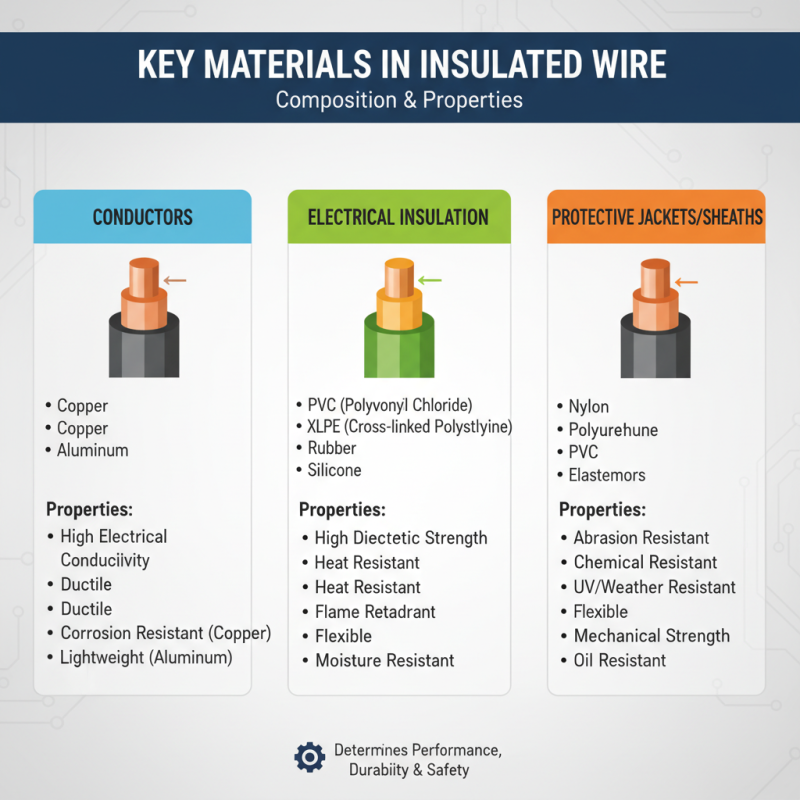
Insulated wire plays a crucial role in electrical applications. The manufacturing of insulated wire relies heavily on specific materials. These materials determine the wire's performance, durability, and safety.
One of the key materials is polyvinyl chloride (PVC). PVC is widely used due to its excellent insulation properties. It is resistant to heat and moisture, making it suitable for various environments. Another important material is cross-linked polyethylene (XLPE). XLPE is known for its superior thermal stability. This material can withstand high temperatures, which is vital in heavy-duty applications.
Additionally, thermoplastic elastomers (TPE) are gaining popularity. These materials offer flexibility and durability. They are often used in applications requiring high flexibility, such as robotics. However, while TPEs are versatile, they can break down under intense UV exposure. This presents a challenge in outdoor applications. Evaluating these materials is essential for ensuring safety and performance in insulated wire usage.
Electrical Safety Standards for Insulated Wires in Commercial Use
Electrical safety standards for insulated wires play a crucial role in minimizing hazards in commercial settings. These standards ensure that insulated wires provide reliable protection against electrical shocks and short circuits. Compliance with these standards signifies that the wiring can handle the specific voltages without the risk of exposing conductive materials.
In commercial applications, various factors contribute to safety. Proper insulation thickness is vital. It determines how well a wire can withstand environmental conditions. Poor insulation can lead to failures and fires. Additionally, the material used for insulation must resist heat, moisture, and chemicals often found in industrial environments.
It's essential to regularly inspect insulated wires for any signs of wear or damage. Over time, even the best insulation can degrade. Issues can arise from excessive bending or exposure to harsh conditions. Companies must be vigilant in monitoring their wiring systems to prevent accidents. Ignoring these standards can lead to significant safety risks and unexpected costs.
Market Trends and Future Innovations in Insulated Wire Technology
The insulated wire market is evolving rapidly. According to a recent report by MarketsandMarkets, the global insulated wire market is projected to reach $60 billion by 2025. This growth is driven by the rising demand for renewable energy sources and the expansion of smart grid technologies. As industries shift towards sustainable practices, insulated wires are becoming essential for efficient energy distribution.
Innovations in insulated wire technology are noteworthy. The development of thinner, more flexible materials enables installations in tight spaces without compromising safety. For example, the introduction of halogen-free insulation materials enhances fire safety. This is particularly crucial in buildings where fire safety standards are stringent.
Yet, the industry faces challenges. There are ongoing concerns about the environmental impact of certain materials used in production processes.
Moreover, as the electric vehicle market grows, the need for high-performance insulated wires increases. These wires must withstand extreme temperatures and resist abrasion. However, manufacturers must balance performance with sustainability. Research from industry experts suggests that ongoing innovation is key. Sustainable materials will be crucial for compliance with future regulations and consumer expectations.



 +86 13777722188
 WHATSAPP
 PHONE
PHONE E-MAIL