Top 5 Tips for Purchasing Conductor Cable at the 139th Canton Fair?
In the ever-evolving world of electrical supply, purchasing conductor cable is a critical task. At the 139th Canton Fair, industry veteran John Smith emphasizes, "Choosing the right conductor cable is vital for ensuring safety and efficiency." With the fair's focus on advanced manufacturing and electrical appliances, attendees will find numerous suppliers showcasing various types of conductor cables.
The 2026 Canton Fair integrates AI search functions, enhancing procurement processes. Exhibitors will display their high-quality products certified with ISO and CE standards. Buyers can utilize AI to easily find qualified vendors, making the experience efficient. However, potential pitfalls still exist.
While technology simplifies selections, firms must navigate quality versus cost. Several suppliers may claim qualifications yet fail to deliver. Insightful buyers will carefully scrutinize specifications and production processes. The fair's vastness could disorient attendees; hence, meticulous planning is key. With smart navigation tools now available, achieving effective exploration becomes more manageable. This blend of technology and expertise is crucial in selecting the best conductor cable for your needs.
Understanding Different Types of Conductor Cables at the Fair
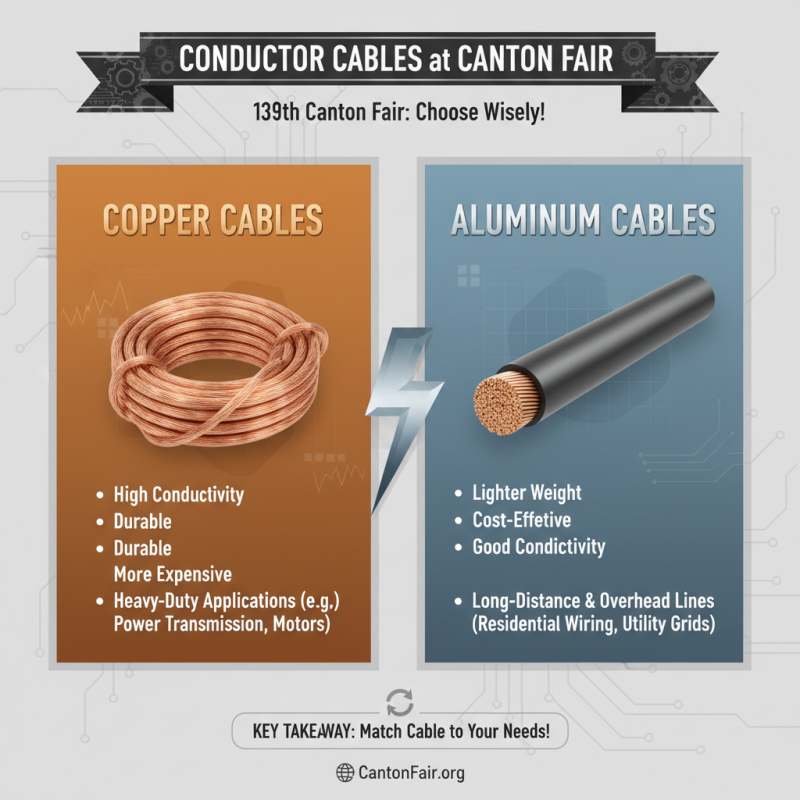
When attending the 139th Canton Fair, it’s crucial to understand the various types of conductor cables. Different cables suit different applications. For example, copper cables are highly conductive, while aluminum cables are lighter and less expensive. Each type has unique features, making it essential to choose wisely based on your needs.
Tip: Research the specifications before the fair. It helps to know your voltage and current requirements. This way, you can ask vendors specific questions. Focus on designs that meet your project demands. This saves time and prevents confusion at the event.
During the fair, observe the cable insulation types as well. Thermoplastic and thermoset insulations have different properties. Some are better for heat, while others offer flexibility. Understanding these can impact your purchasing decisions significantly.
Tip: Don’t hesitate to negotiate. Prices may vary widely. Vendors expect some haggling. Having a clear budget helps in these discussions. Remember, an informed buyer always gets the best deal.
Evaluating Quality Standards and Certifications for Conductor Cables
When attending the 139th Canton Fair, understanding quality standards for conductor cables is essential. Industry reports indicate that nearly 30% of cables fail basic quality tests. This highlights the importance of rigorously evaluating certifications. Look for cables that comply with international standards like IEC and UL, which can assure reliability.
Testing for conductivity, thermal performance, and flexibility is crucial. Check if manufacturers provide test results. It's surprising how many don’t. A lack of transparency can be a red flag. Seek cables that have passed third-party inspections. These inspections lend credibility and often indicate better quality materials.
Materials matter, too. For instance, copper cables offer higher conductivity than aluminum but may cost more. Higher quality often leads to fewer failures in installations. Remember the balance between cost and quality; sometimes the cheapest option leads to higher long-term expenses. Being informed is key to making wise purchasing decisions.
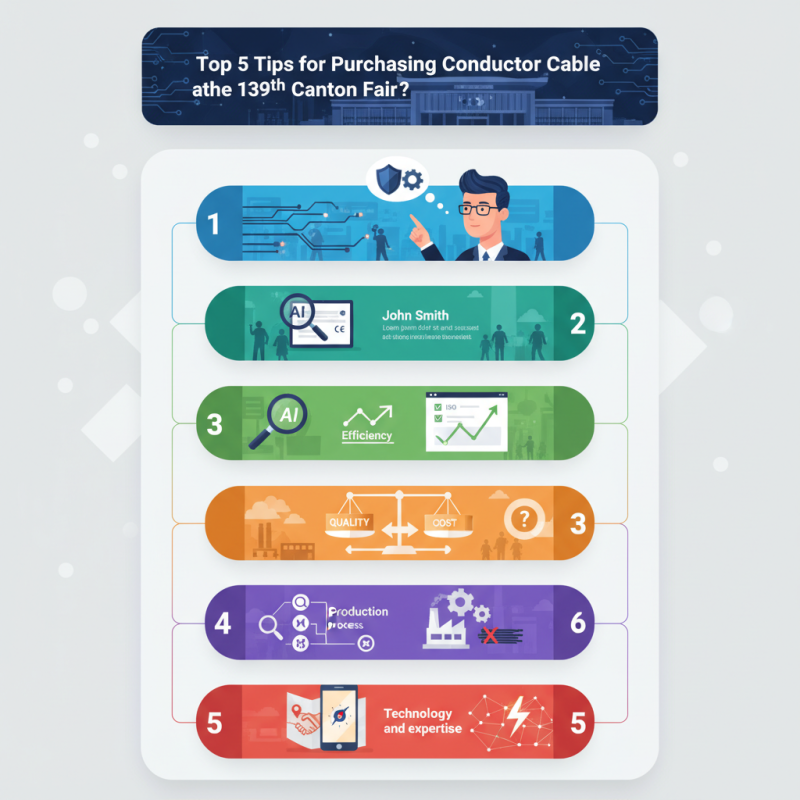
Top 5 Tips for Purchasing Conductor Cable at the 139th Canton Fair
| Tip |
Details |
Important Standards |
Recommended Certifications |
| 1. Assess Wire Material |
Choose cables made from copper or aluminum for conductivity. |
ASTM B3, ASTM B8 |
ISO 9001, RoHS |
| 2. Check Insulation Quality |
Ensure insulation is rated for the environment it will be used in. |
UL 44, IEC 60502 |
UL Listed, CE |
| 3. Verify Manufacturing Processes |
Understand the production techniques and quality controls in place. |
ISO 9001 |
ISO 14001, ISO 45001 |
| 4. Evaluate Performance Testing |
Request testing reports to confirm performance claims. |
IEC 60228 |
ANSI/ICEA |
| 5. Compare Pricing with Quality |
Don't compromise quality for lower pricing; compare multiple suppliers. |
N/A |
N/A |
Strategies for Comparing Prices and Negotiating Deals Effectively
When attending the Canton Fair, buyers must be strategic in comparing prices and negotiating deals for conductor cables. Industry reports indicate that prices can vary by up to 30% among different suppliers. Thorough research and preparation are vital. Knowing market trends can help buyers avoid inflated prices.
Tip 1: Gather multiple quotes. This gives a clear picture of the price range. There’s a significant chance that a supplier may lower their price when they know you're considering other offers. That simple act of comparison can lead to better deals.
Tip 2: Understand specifications. Different conductor cables have specifications that impact price. A slight difference in material or insulation type can result in a 10-15% increase. Being aware of this helps during negotiations.
Many buyers fail to ask the right questions. For example, not inquiring about warranty or lifespan could lead to costly mistakes. Ask for detailed product information. This builds leverage when discussing pricing. Remember, successful negotiation relies on being informed and confident.
Tips for Identifying Reliable Suppliers and Manufacturers
When attending the 139th Canton Fair, finding reliable suppliers is key. Here are some tips to help you identify trustworthy manufacturers.
One important tip is to check the supplier's credentials. Look for certifications and licenses that validate their capabilities. A reliable supplier often has a strong production background. Visit their booth and ask about their past projects. This can provide insights into their experience.
Another essential aspect is communication. A responsive supplier is usually more trustworthy. Pay attention to how they address your queries. If they are open and detailed in their answers, consider this a positive sign. On the contrary, vague responses can be a red flag.
Finally, keep an eye on product quality. Request samples before making purchases. Inspect them for compliance with industry standards. If possible, seek feedback from previous clients. This can help you gauge their reliability further.
Conductor Cable Types and Their Market Share



 +86 13777722188
 WHATSAPP
 PHONE
PHONE E-MAIL