What is Copper Cable and Why is it Important for Your Business?
Copper cable is a critical component in modern telecommunications and networking. Its importance cannot be overstated, as nearly 70% of the world's data transmission relies on it. Industry expert John Smith, a leading voice at Global Telecom Solutions, emphasizes, “Copper cables can handle vast amounts of data with minimal losses, making them indispensable for businesses.”
The demand for reliable connectivity continues to rise. A recent report by the Telecommunications Industry Association predicts that the copper cable market will reach $30 billion by 2025. In a landscape where businesses depend on seamless communication, the durability and efficiency of copper cables play a pivotal role. They provide stable connections for various applications, from broadband Internet to VoIP services.
Yet, challenges remain. Copper cable is susceptible to interference and environmental factors that can hinder performance. Businesses must carefully consider these aspects when choosing their networking solutions. Understanding the complexities of copper cabling and its applications is essential for making informed decisions that will impact operational efficiency and growth.

Understanding Copper Cable: Definition and Composition
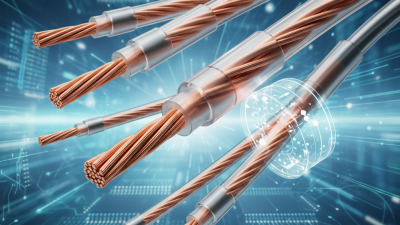
Copper cable is a vital component in modern telecommunications and electrical systems. Composed primarily of copper, it features excellent conductivity. This property allows for efficient data transmission and power delivery. Copper is favored due to its high level of reliability and affordability compared to other materials.
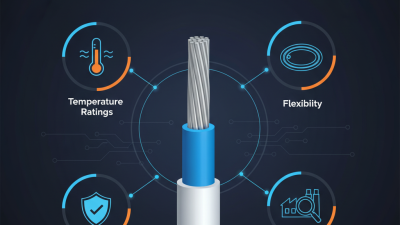
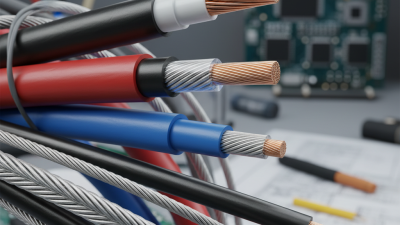
The structure of copper cables can vary. Typically, they consist of multiple strands of copper wire, combined to enhance flexibility and performance. Insulation is crucial, providing protection against electromagnetic interference. This ensures a stable connection in various environments, from commercial offices to industrial sites.
Despite its advantages, copper cables have limitations. They can be heavier and bulkier than alternatives like fiber optic cables. Additionally, copper is prone to corrosion over time, potentially leading to decreased performance. Businesses must weigh these factors when deciding on cable options. Regular checks and maintenance can help in mitigating these issues. Understanding copper cable’s composition is essential in making informed choices for your connectivity needs.
The Role of Copper Cable in Modern Telecommunications
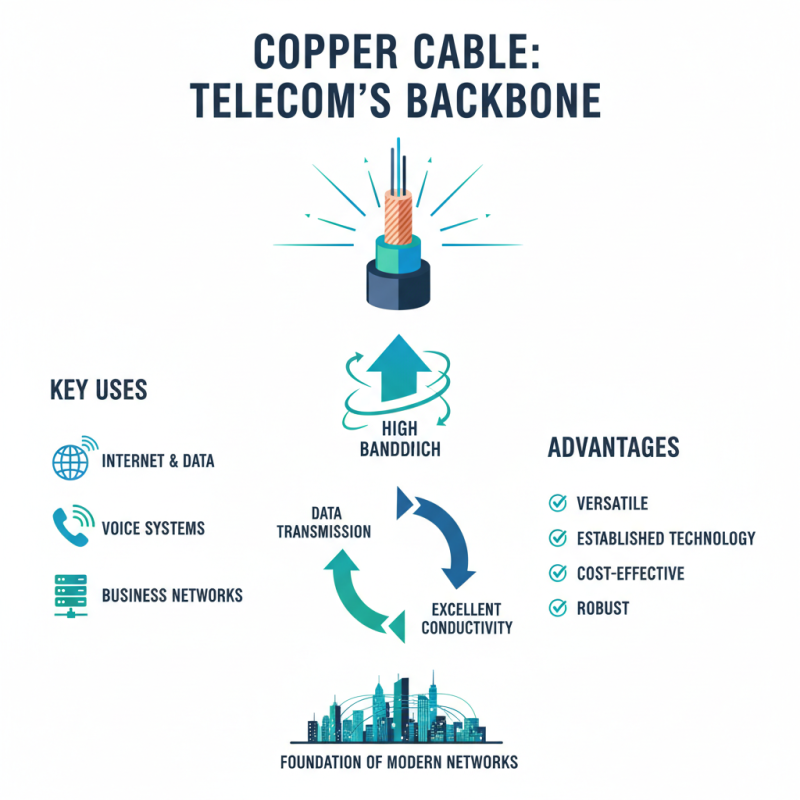
Copper cable plays a vital role in modern telecommunications. It is widely used for data transmission due to its excellent conductive properties. This type of cable can support various bandwidths and is often the backbone of communication networks. Businesses rely heavily on copper cables for their internet, phone systems, and internal networks.
However, there are challenges. Copper cables can be susceptible to electromagnetic interference. This may affect signal quality, leading to slower data speeds. Regular maintenance is crucial to ensure optimal performance. Companies should promptly address any signs of wear or damage.
Tips: Always check your cable connections to prevent issues. Invest in shielding options if interference is a concern. Consider the installation environment carefully—extreme conditions can impact longevity. By staying proactive, businesses can maximize the reliability of their telecommunications systems.
Key Advantages of Using Copper Cable for Business Operations
Copper cable is a vital component for modern business infrastructure. Its significance stems from excellent electrical conductivity and durability. Businesses benefit from faster data transmission and lower signal degradation. This efficiency is crucial for companies relying on stable internet access and seamless communication.
Tips for selecting copper cable include assessing your bandwidth needs. Understanding how much data your business transmits can inform your cable choice. Not all applications require the same cable type. Be aware that while copper cables are reliable, they may be susceptible to interference in high-demand environments.
Copper cables are also comparatively cost-effective. They often require less installed infrastructure than fiber optics. This can lead to lower overall costs for businesses upgrading their technology. However, copper cables can be heavier, which may complicate installations. Choosing the right solution demands a careful balance of costs, performance, and installation challenges.
What is Copper Cable and Why is it Important for Your Business? - Key Advantages of Using Copper Cable for Business Operations
| Aspect |
Details |
| Conductivity |
Copper has excellent electrical conductivity, making it ideal for high-speed data transmission. |
| Cost-Effectiveness |
Generally, copper cables are more economical than fiber optics, especially for short distances. |
| Flexibility |
Copper cables are easier to install and can bend into tight spaces compared to fiber optic cables. |
| Durability |
Copper is strong and can withstand physical stress, making it suitable for office environments. |
| Compatibility |
Copper cables are widely used and compatible with most networking equipment. |
| Signal Transmission |
They provide reliable signal transmission for both voice and data communications. |
Comparing Copper Cable to Alternative Wiring Solutions
Copper cable remains a dominant choice for networking and communication systems. Its excellent conductivity and durability make it reliable. Reports indicate that over 70% of businesses prefer copper cabling for their infrastructures due to these benefits. Copper offers low resistance, allowing data transmission without significant signal loss.
In contrast, fiber optic cables, while faster, can be more expensive to install and maintain. A study showed that while fiber cables transmit data at higher speeds, they require specialized installation. This could drive costs up by nearly 30%. Additionally, copper cables are less prone to physical damage in less controlled environments, gaining preference from many industries.
Wireless solutions are emerging, yet they come with their own set of challenges. Connection stability and interference can hinder operations. According to the latest findings, nearly 40% of IT managers cite connectivity issues as a primary concern with wireless setups. Businesses often find that investing in traditional copper cabling results in long-term reliability, despite newer alternatives gaining attention. Each solution presents unique trade-offs that should be carefully evaluated based on specific business needs.
Comparative Analysis of Copper Cable and Alternative Wiring Solutions
This chart compares copper cable with alternative wiring solutions including fiber optic and coaxial cables based on cost, data transmission speed, distance limit, and installation time. Copper cable remains a cost-effective solution for many businesses, offering a balance between performance and affordability.
Maintenance and Best Practices for Copper Cable Systems
Copper cable systems are essential for reliable communication and connectivity in any business. Regular maintenance is vital to ensure these systems operate at peak performance. Over time, wear and tear can lead to reduced efficiency. Dust accumulation and environmental factors can affect signal quality. Routine inspections can catch potential issues before they escalate.
Cleaning cable connections should be a regular task. Use proper tools to avoid damaging the cables. Checking for physical wear is also crucial. Inspect for any fraying, cuts, or corrosion. These minor issues can lead to significant problems if not addressed promptly. It's essential to establish clear protocols for staff involved in maintenance.
Best practices include labeling cables to avoid confusion. This simplifies troubleshooting when issues arise. Implementing a log for maintenance activities helps track any repairs or upgrades. While it may seem tedious, good documentation can save time and costs. Strive for continuous improvement in your cable management. Regular training on new techniques and findings ensures your team is equipped to handle challenges effectively.



 +86 13777722188
 WHATSAPP
 PHONE
PHONE E-MAIL