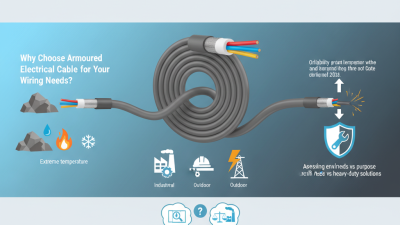
Ultimate Tips for Choosing Armoured Electrical Cable Experts Guide
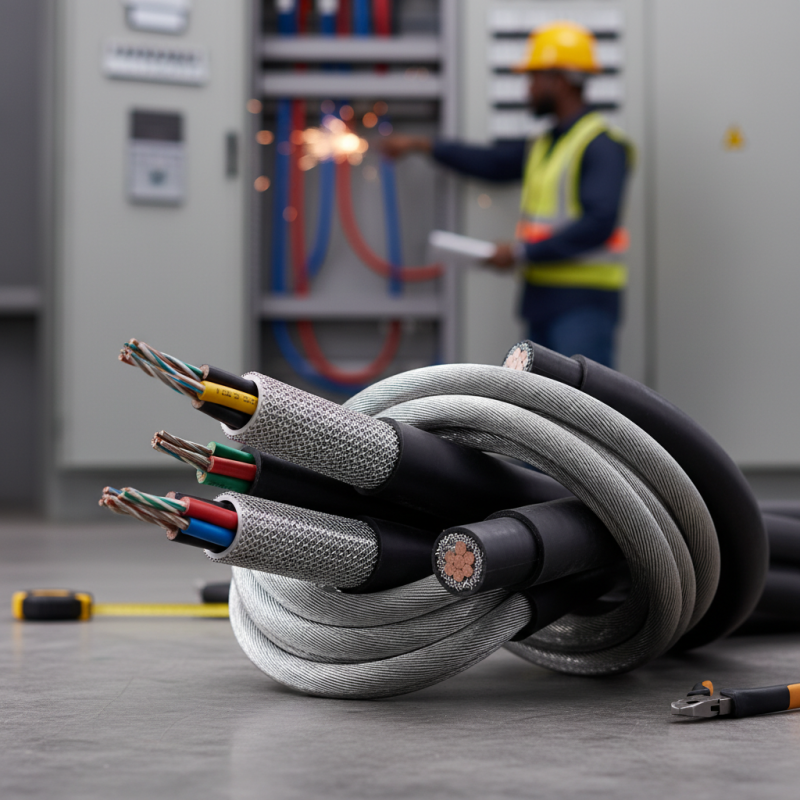
In the world of electrical installations, the choice of Armoured Electrical Cable is crucial. Industry reports indicate that improperly chosen cables can lead to safety hazards and financial losses. As electrical expert John Smith states, "Choosing the right cable can prevent future disasters." His insight emphasizes the importance of careful selection.
Armoured Electrical Cables are designed for heavy-duty applications. They provide protection against mechanical damage and environmental factors. A 2022 survey revealed that 30% of electrical installations faced issues due to subpar materials. Quality cables reduce risks and enhance reliability in various industries.
However, many choose cables based solely on price, neglecting crucial performance aspects. Lack of understanding can lead to inadequacies. It's essential to balance cost with durability and performance. Investing time in research pays off in the long run.
Understanding Armoured Electrical Cables: Types and Uses
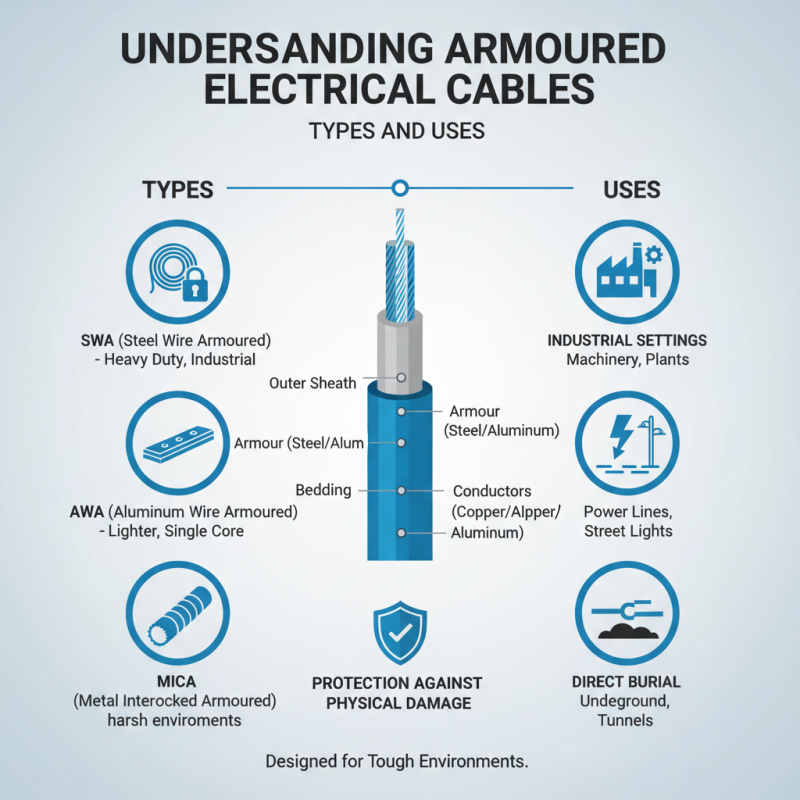
When it comes to armoured electrical cables, understanding their types and uses is crucial. These cables are designed to withstand tough environments. They have a protective layer that shields them from physical damage. This makes them ideal for outdoor installations and industrial settings.
There are several types of armoured cables, such as steel wire armoured (SWA) and aluminum wire armoured (AWA). The choice depends on specific project needs. For example, SWA is often more durable and provides better protection against rodents. On the other hand, AWA is lighter and easier to handle.
Proper installation of these cables requires expertise. Not everyone understands the complexities involved. You must consider factors like ambient temperature and installation method. Mistakes can lead to safety hazards or costly repairs. It’s essential to reflect on the environment and choose wisely. Each project has unique requirements that can’t be ignored.
Key Factors to Consider When Choosing Armoured Electrical Cables
When selecting armoured electrical cables, several factors demand attention. The electrical environment is critical. The cable should withstand physical impact and moisture. According to the International Electrotechnical Commission (IEC), almost 5% of electrical faults are due to cable damage. Thus, appropriate armouring is non-negotiable.
Another aspect is the cable's conductivity. Copper remains the industry standard due to its superior conductivity, which is about 60% better than aluminum. However, while copper-based solutions excel, they can be costly. Several projects found that opting for aluminum resulted in up to 20% savings; understanding these trade-offs is crucial.
Installation and space constraints are also significant. Some installations may require greater flexibility. The outer diameter of the chosen cable might impact routing and fitting. Data from the National Electrical Manufacturers Association (NEMA) shows that improper cable selection can lead to an increase in installation time by 30%. Being mindful of these nuances can prevent setbacks, ensuring your project runs smoothly.
Evaluating the Expertise of Electrical Cable Suppliers
When selecting electrical cable suppliers, it's critical to evaluate their expertise. The right supplier offers more than just products. Their knowledge can significantly impact project outcomes. According to industry reports, a considerable 76% of electrical failures are linked to poor quality materials. This underlines the importance of partnering with experts who understand the intricate demands of electrical installations.
Look for suppliers with industry certifications. These can indicate a deep understanding of safety standards and installation requirements. Suppliers should provide documentation of their quality control processes. This transparency shows reliability. Do not overlook their experience in the field. A supplier with over ten years in the sector often has invaluable insights. However, not all experienced suppliers adapt to new technology. This is a point of reflection for engineers selecting partners.
Additionally, consider customer feedback. A 2022 market analysis revealed that 68% of projects suffer from miscommunications with suppliers. This highlights the need for clear communication channels. Trust is built on transparency and responsiveness. Engage potential suppliers in discussions about their problem-solving approaches. Notice how they handle inquiries. Their responses reveal their commitment to quality service and expertise in the field.
Evaluation of Electrical Cable Suppliers
Common Mistakes to Avoid When Selecting Armoured Cables
Selecting the right armoured electrical cables is crucial for safety and efficiency. One common mistake is overlooking the importance of cable ratings. A cable must match the specific requirements of its application. According to a 2022 report from the Institute of Electrical and Electronics Engineers (IEEE), inadequate cable selection can lead to an increased risk of electrical failures. Such failures might result in downtime and repair costs that can exceed 30% of a project’s budget.
Another frequent error is neglecting environmental factors. Different installations have varying conditions. For instance, cables installed underground require different specifications compared to those exposed to the open air. The National Fire Protection Association (NFPA) highlights that environmental factors account for over 40% of cable issues reported in the industry. Cables must endure moisture, thermal extremes, and mechanical stress. Ignoring these aspects may lead to complications over time, like insulation breakdown.
Lastly, inadequate testing procedures can pose significant risks. Many professionals fail to conduct thorough testing before installation. The 2021 Global Cable Survey indicated that 25% of electrical failures arise from poor cable testing practices. This oversight can compromise safety and lead to substantial long-term costs. Taking the time to evaluate testing standards and procedures can result in better reliability and performance.
Ensuring Compliance and Safety Standards for Armoured Electrical Cables
When choosing armoured electrical cables, ensuring compliance and safety standards is crucial. Industries rely on these cables for protection against physical damage and environmental hazards. Selecting the right type means prioritizing safety at every level.
One important tip is understanding the specific requirements of your project. Different environments call for different specifications. For example, outdoor installations require cables with enhanced UV resistance. Indoor applications may focus more on fire retardance. Analyze your needs carefully.
Another essential aspect is selecting a reputable supplier. Look for those who understand industry standards. They should ensure their products meet all safety regulations. Confirm that their cables are certified by relevant authorities. This reduces risks and fosters reliability in your installations.
You may also need to reflect on installation practices. Proper handling and installation are vital for maintaining compliance. Training staff or hiring skilled professionals can significantly impact safety outcomes. Remember, a small oversight can lead to serious consequences.



 +86 13777722188
 WHATSAPP
 PHONE
PHONE E-MAIL